




Things to Know Before Travelling to Thailand
A little preparation makes a trip to Thailand far smoother. This guide covers what to sort out before you fly and what to know once you land: visas and the arrival card, money, health, local etiquette, laws that catch visitors out, and the practical details of a stay on Koh Samui.
Quick answer: From 15 September 2026, eligible tourists can stay in Thailand visa-free for 30 days, down from 60, and everyone must complete the Thailand Digital Arrival Card online before arriving. Bring travel insurance, a universal plug adapter and some cash, dress modestly at temples, never criticise the monarchy, and remember that vaping is illegal. Tap water is not for drinking, and tipping is appreciated but not expected.
- Visa-free stay: 30 days for eligible nationalities from 15 September 2026.
- Thailand Digital Arrival Card: complete it online before you fly.
- Money: Thai baht; ATMs charge around 220 THB per withdrawal.
- Etiquette: cover shoulders and knees at temples; respect the royal family.
- Laws: e-cigarettes and vapes are illegal; drug penalties are severe.
Visas and the Digital Arrival Card
From 15 September 2026, Thailand cut its visa-free stay for tourists from 60 to 30 days and reduced the list of eligible countries. If you plan to stay longer, apply for a tourist visa before you travel. Rules change often, so check the official Thai e-Visa website or your nearest Thai embassy before you book.
Every visitor must also complete the Thailand Digital Arrival Card online before arriving; it replaced the old paper form. Your passport should be valid for at least six months from your arrival date, and you may be asked to show an onward or return ticket.
Travel insurance and health
Take out comprehensive travel insurance before you go, and check it covers the activities you plan, such as diving or riding a scooter. Koh Samui has good private hospitals, including Bangkok Hospital Samui and Samui International Hospital, but treatment is expensive without cover.
- Do not drink the tap water; bottled and filtered water is cheap and everywhere.
- Use mosquito repellent, especially in the rainy season from October to December, as dengue occurs in Thailand.
- The sun is strong all year. Wear high-factor, reef-safe sun cream and drink plenty of water.
- Pharmacies are easy to find and staff in tourist areas usually speak some English.
Ask your doctor or a travel clinic about recommended vaccinations a few weeks before you travel.
Money, cards and tipping
The currency is the Thai baht (THB). ATMs are everywhere on Koh Samui, but Thai banks add a fee of around 220 THB per withdrawal on foreign cards, so take out larger amounts less often. Cards are accepted in hotels, larger restaurants and shops, often with a small surcharge, while street food, markets, songthaews and taxis are cash only. Keep some 20, 50 and 100 baht notes for small purchases.
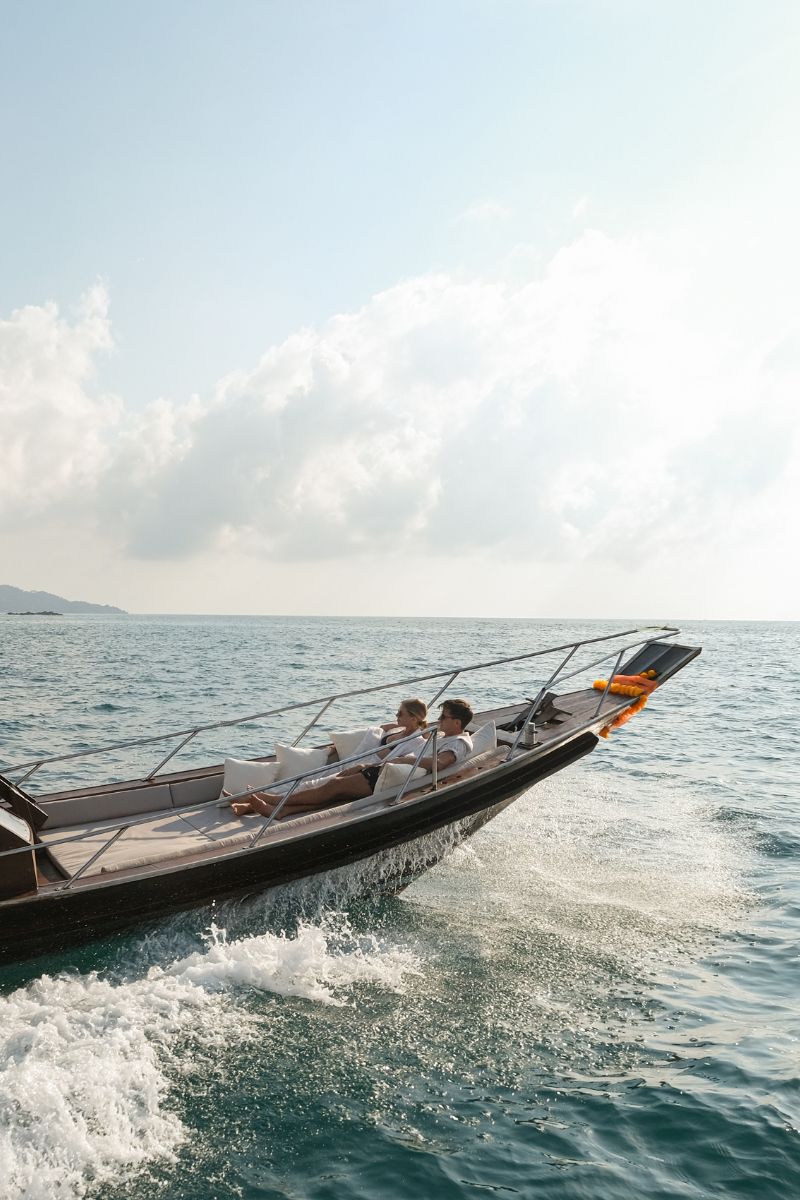
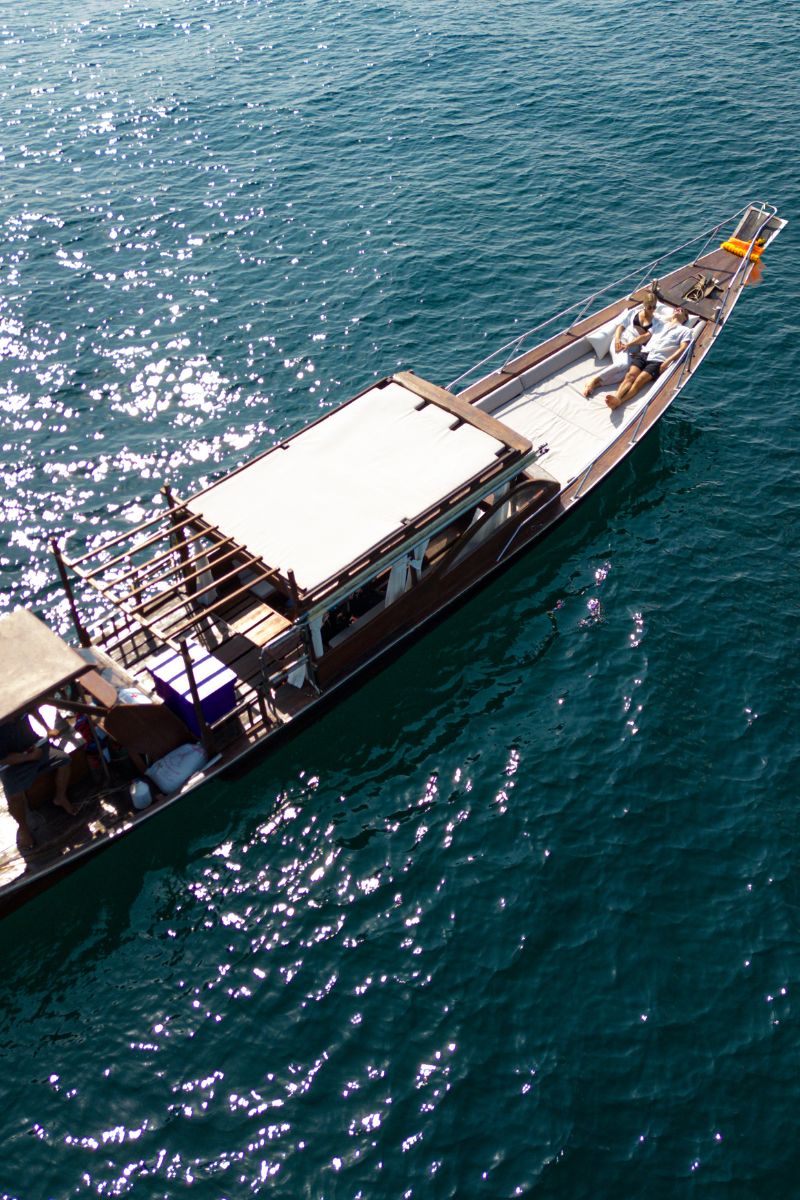
Tipping is not expected, but it is appreciated. Rounding up or leaving around 10% in sit-down restaurants is generous, and a small tip for guides, drivers and boat crews who have looked after you is a kind gesture.
Etiquette and cultural respect
Thai people are famously welcoming, and a little respect goes a long way.
- The monarchy: the royal family is deeply respected, and criticising it is a serious criminal offence. Stand for the royal anthem when it plays, for example before films in cinemas.
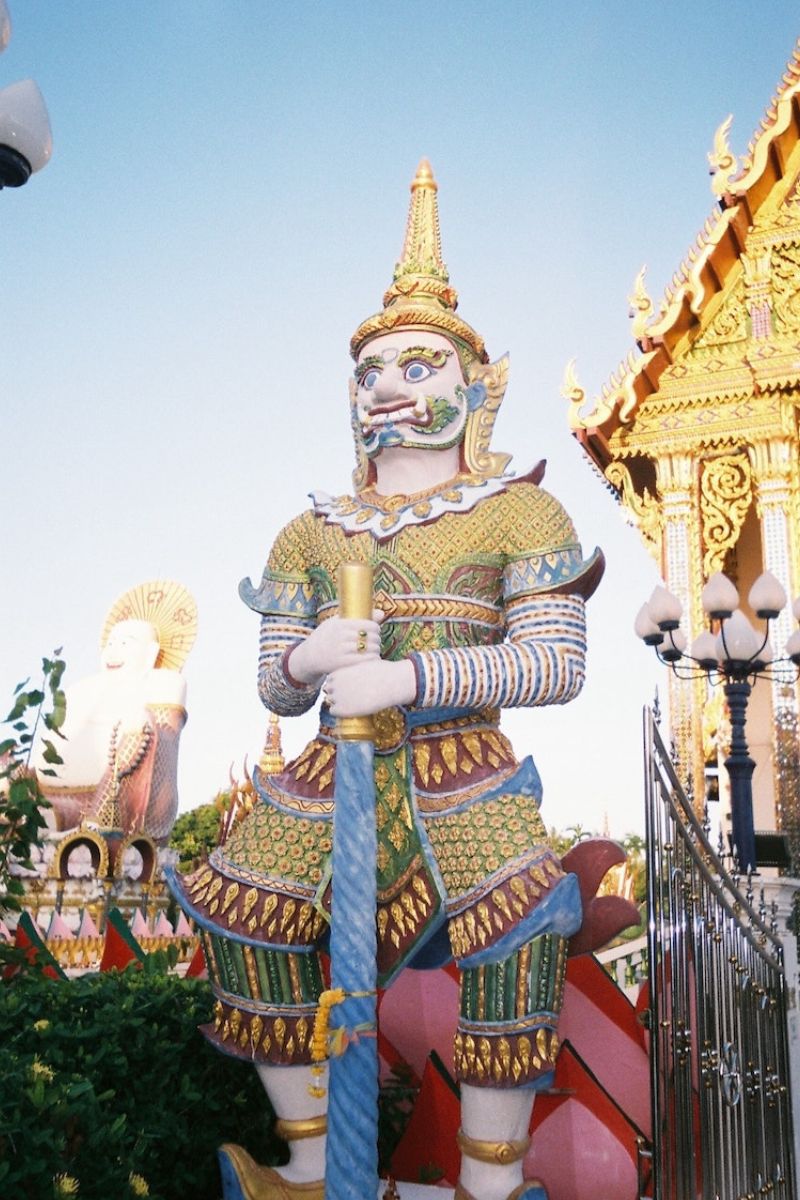
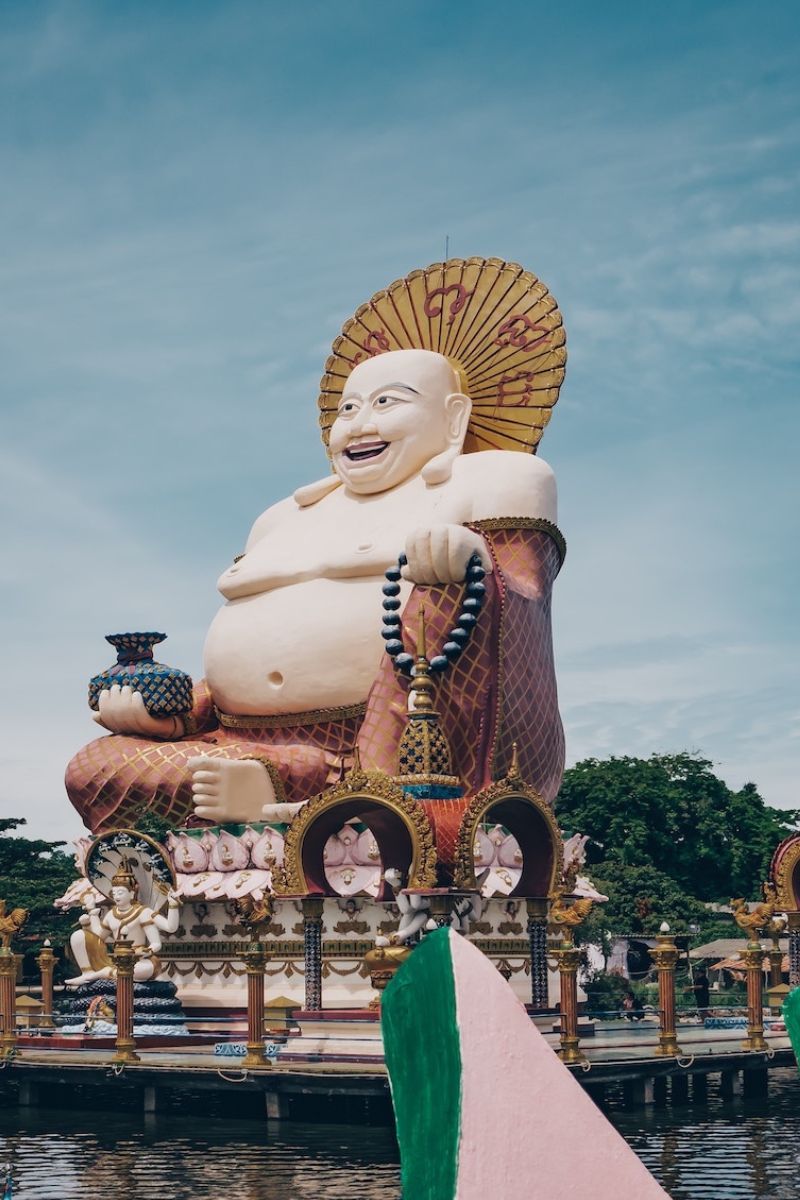
- Temples: cover your shoulders and knees, take off your shoes before entering buildings, and never climb on Buddha images. Women should not touch monks or hand things to them directly.
- Head and feet: the head is considered sacred and the feet lowly, so avoid touching people's heads and don't point your feet at people or Buddha images.
- Keeping calm: raising your voice or losing your temper in public causes loss of face. A smile and patience solve most problems.
- Greetings: the wai, palms pressed together with a slight bow, is the traditional greeting. A few words of Thai are always appreciated; see our basic Thai phrases.
Laws that catch visitors out
- Vaping: e-cigarettes and vapes are illegal in Thailand, and carrying one can mean a heavy fine.
- Drugs: penalties are severe. Cannabis rules have been tightened, so don't assume anything is legal.
- Smoking on beaches: many popular beaches are no-smoking zones with fines.
- Scooters: you need a licence that covers motorbikes and must wear a helmet. Police run regular checkpoints.
- Passport: carry a copy of your passport, and keep the original somewhere safe.
Electricity, SIM cards and getting online
Thailand runs on 220V at 50Hz. Type A, B and C sockets are common, so a universal adapter covers most rooms; check whether your devices need a converter. Tourist SIM cards and eSIMs with plenty of data are sold at the airport and in 7-Eleven shops, and free Wi-Fi is standard in hotels and cafes.
Weather and when to go
Koh Samui's weather differs from much of Thailand. January to April is the driest time, February to September usually has the calmest seas for boat trips, and the rainy season runs from October to December, with November usually the wettest month. See our guide to Koh Samui weather by month.
Wildlife and responsible travel
You may see monkeys, monitor lizards and soi dogs. Enjoy them from a distance and don't feed them. Avoid any attraction offering elephant rides or animal shows; our ethical elephant sanctuary visit is a no-riding alternative. On boat trips, wear reef-safe sun cream and never touch or stand on coral.
Emergency numbers
- Tourist Police: 1155 (English spoken)
- Ambulance and medical emergencies: 1669
- Police: 191
For more planning help, see our guides on how to plan a trip to Koh Samui, how to get to Koh Samui and getting around the island, or the Ultimate Koh Samui Travel Guide.
Frequently Asked Questions
Do I need a visa for Thailand?
From 15 September 2026, tourists from eligible countries can stay visa-free for 30 days. For longer stays, apply for a tourist visa before you travel, and check the official Thai e-Visa website as rules change often.
What is the Thailand Digital Arrival Card?
An online arrival form every visitor must complete before entering Thailand. It replaced the old paper arrival card.
Can I drink the tap water in Thailand?
No. Drink bottled or filtered water, which is cheap and widely available.
Do you tip in Thailand?
Tipping is not expected but is appreciated. Around 10% in sit-down restaurants, and a small tip for guides, drivers and boat crews, is generous.
Is vaping legal in Thailand?
No. E-cigarettes and vapes are illegal in Thailand, and visitors can be fined for carrying them.
What should I wear to temples in Thailand?
Cover your shoulders and knees, and take your shoes off before entering temple buildings.
Reviewed October 2026. Entry rules change often, so check official sources before you travel.